

SEO and Web Design are two components that one wouldn’t assume go hand in hand, but they do. Not only do SEO and Web design complement each other, but they also coexist and need each other to function. Without a strong website design, SEO has no healthy place to live and without a strong SEO strategy, a website cannot perform to its fullest potential.
What is SEO?
SEO stands for Search Engine Optimization. This marketing strategy component has erupted within the past couple of years and is now essential to anyone who has or runs a website. SEO is made up of multiple activities such as determining where your website or the content on your website ranks on search engines, the performance of your website from the back end, and keyword planning to help grow the website organically. One way to think of SEO is when your website is all done and polished, SEO comes in and maintenances the website over a long period of time.
What is Website Design?
Website design is the process of creating your website, whether that is from scratch or building off an existing site. Within this process, a design team is looking to create an online platform where your consumers or target audiences can interact with your organization. When designing a website, it is important that the site serves your needs as a business owner and fulfills the goals of your organization. To learn more about the website design process at Corkboard Concepts, please visit here.
All in all, SEO & Website Design go together in more ways than one, and here are a couple of examples below:
Universal Design & Accessibility
SEO & Website Design go together because they are both responsible for having and maintaining an accessible design. The website must be built in a way that makes it easy for users to engage with, and SEO helps maintain it by ensuring that all components of the website are optimized. Some examples of this could be making sure there are alt tags on all images, optimizing for mobile design, and fostering flow/functionality within the site.
Inclusive design serves a dual purpose: it ensures a seamless experience for any user while providing search bots with a clear semantic map of your content. By using proper labels and logical heading hierarchies (H1 through H4), we create a site that is as easy for an AI to ‘read’ as it is for a human.

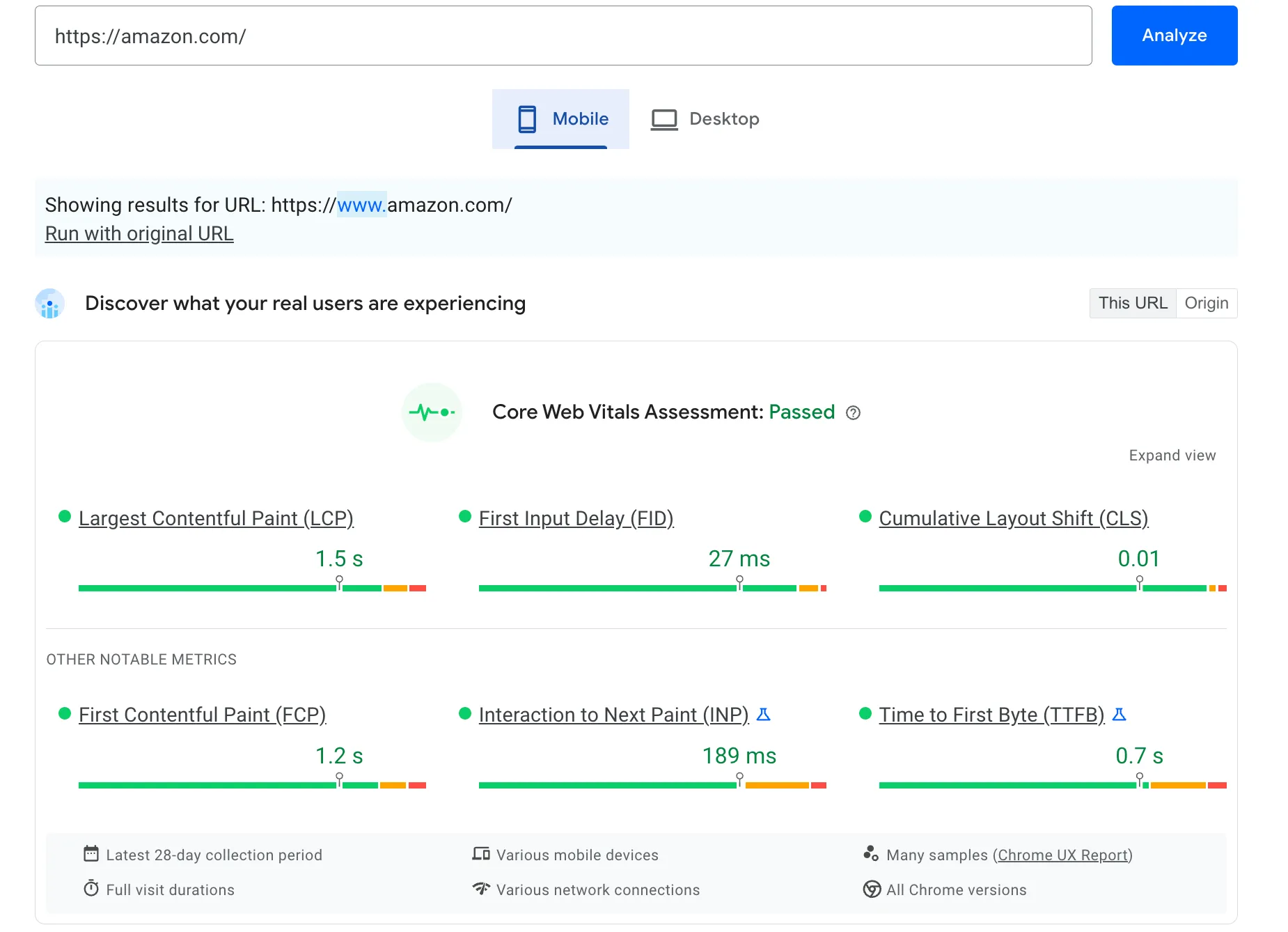
Website Speed & Core Web Vitals
Believe it or not, SEO specialists actually focus on the overall health of the site after it has been launched and help to maintain the speed and core web vitals. These things are directly linked to the functionality of the site. If a website has poor Core Web Vitals, like slow loading times (LCP) or shifting layouts (CLS), search engines will lower your visibility to protect the user experience and the overall SEO of the website will suffer.
Search engines now prioritize Interaction to Next Paint (INP), which measures how quickly a page responds to user inputs like clicks or scrolls. High-performance web design minimizes ‘code bloat’, such as excessive JavaScript, ensuring that the browser can render content and respond to users without delay.
Site Maps & Information Architecture
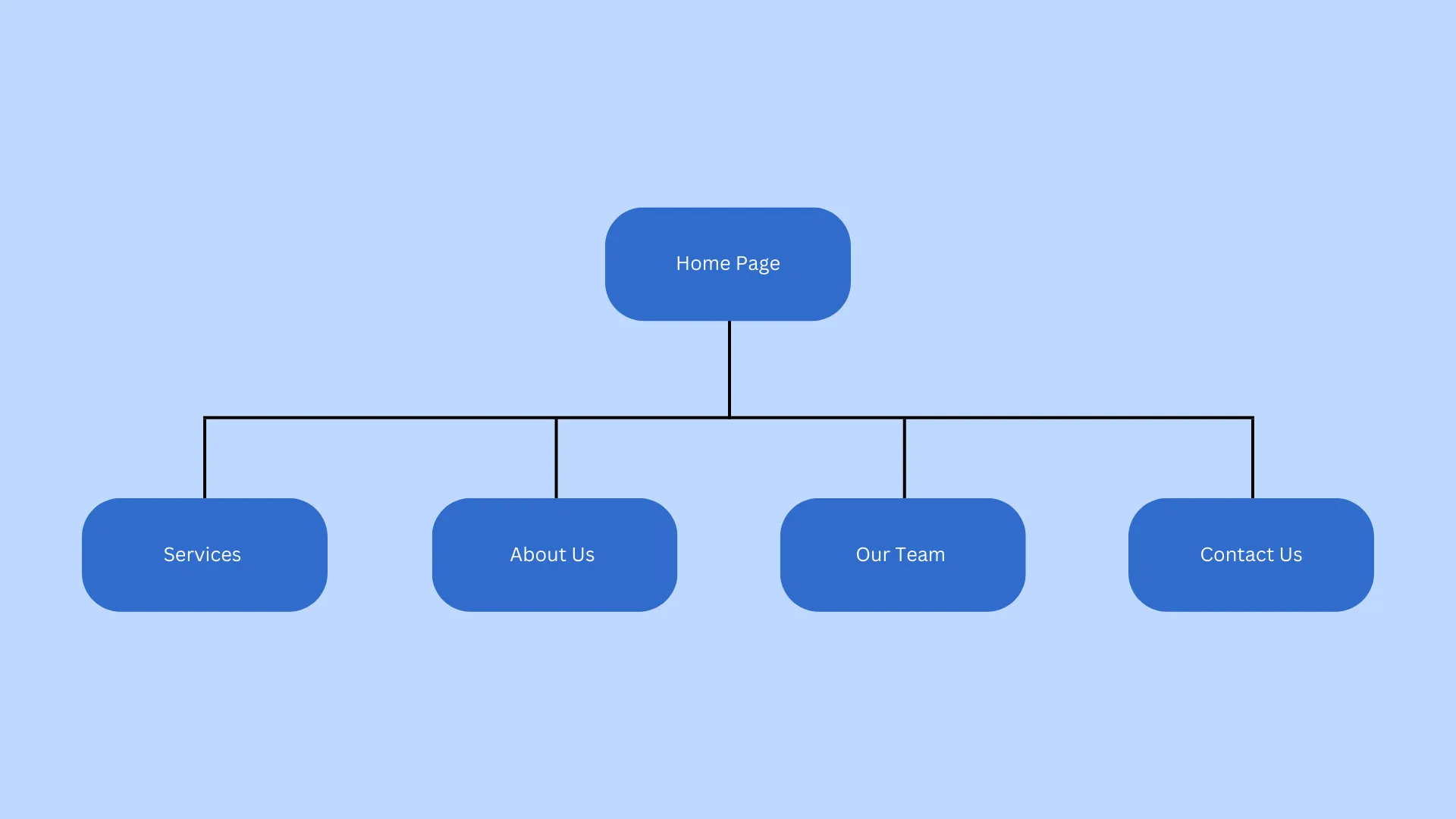
Site maps are the map/layout of a website that allows users and search engines to crawl it. A discombobulated site map makes it difficult for users to navigate the site. This difficulty can cause there to be little organic traffic to come to the site. Consequently, your overall SEO positioning and ranking will suffer.
Beyond a standard XML sitemap, the physical Internal Linking structure of a site dictates how ranking authority is distributed. A flat site architecture ensures that your most important pages are no more than three clicks away from the homepage, optimizing your crawl budget and ensuring new content is indexed faster.
Branded Content
 One last way that SEO and web design go together is that they both utilize branded content. From the initial design, all the way to the execution of the website, it must reflect the organization’s branding. After all, the website is the digital storefront or location of the organization.
When developing SEO content, you are creating extensions and communications from the organization. Whether that be blogs or Google web stories, the content must reflect the organization’s branding.
In the age of AI, branding is a trust signal. By maintaining consistent visual and textual identity, we satisfy Google’s E-E-A-T (Experience, Expertise, Authoritativeness, and Trustworthiness) guidelines. When your branded content is cited across the web and reflected in your design, it creates a digital footprint that AI engines use to verify your business as a credible source.
AiEO Web Design
As search evolves from a list of links to AI-generated answers, Artificial Intelligence Engine Optimization (AiEO) has become the new standard. It’s no longer enough to rank #1, you must be the source that the AI chooses to cite in its summary.
For an AI to recommend your business, it must be able to “read” your site’s structure instantly. This is where web design meets machine learning:
-
Semantic HTML & Components: Modern web design uses specific tags that tell AI exactly what a piece of content is (e.g., a product price, a review, or a “How-To” step).
-
Data Scrape-ability: If your design hides important text inside complex animations or non-readable images, AI crawlers will skip you. Clean, minimalist code ensures AI can digest your expertise.
-
The “Zero-Click” Strategy: We design your site so that key information is easily extracted for AI “snippets.” By winning the snippet, your brand becomes the definitive answer before a user even finishes their search.
Closing Note:
Even though it is easy to see SEO and web design as two separate entities, they actually intermingle in many ways. These two fields both have the same mission of creating tangible materials for organizations to communicate and interact with their target audiences.
Corkboard Concepts offers strategic SEO and creative web design services to help your organization grow! To learn more about our services, please visit our services page.