

Would you like to know how a website functions? HTML is the technology that works seamlessly in the background. It is one of the vital building blocks of the internet and an unsung hero. It is the reason why we can browse the web. Discover the importance of HTML and why it’s necessary for every website.
What is HTML?
HTML stands for Hypertext Markup Language. It is the foundation of every website. It is a crucial part of every blog or e-commerce site as it provides the structural framework that organizes and makes other content accessible online.
HTML: The Heart of The Web
Whether you are aware of it or not, the importance of HTML is seen in almost every online activity you perform. It works behind the scenes to guide how to display text, images, videos, and links. The next time you check your emails, make an online purchase, or watch a quick video, HTML will help your browser know how to do that.

For instance, if you look for a “Marketing agency in Pittsburgh, PA” and you simply click on corkboardconcepts.com, your browser is selecting an HTML file to read. This file contains instructions on how to format text, what to place where, and how to place pictures.
What Is The Importance Of HTML?
Understanding the importance of HTML starts with recognizing the roles it plays in website structure, user experience, and web connectivity.
1. It Defines the Structure of a Webpage
HTML sorts web content into components such as headings, paragraphs, images, and links. It’s like the frame of a website, giving structure so that content isn’t just some random jumble of text and media.
2. It Connects the Web
The “Hypertext” in HTML is the capability to create connections among different documents. This linking of pages makes a set of pages into the web we know, a vast, interconnected network of information.
3. It’s the Foundation of Web Technologies
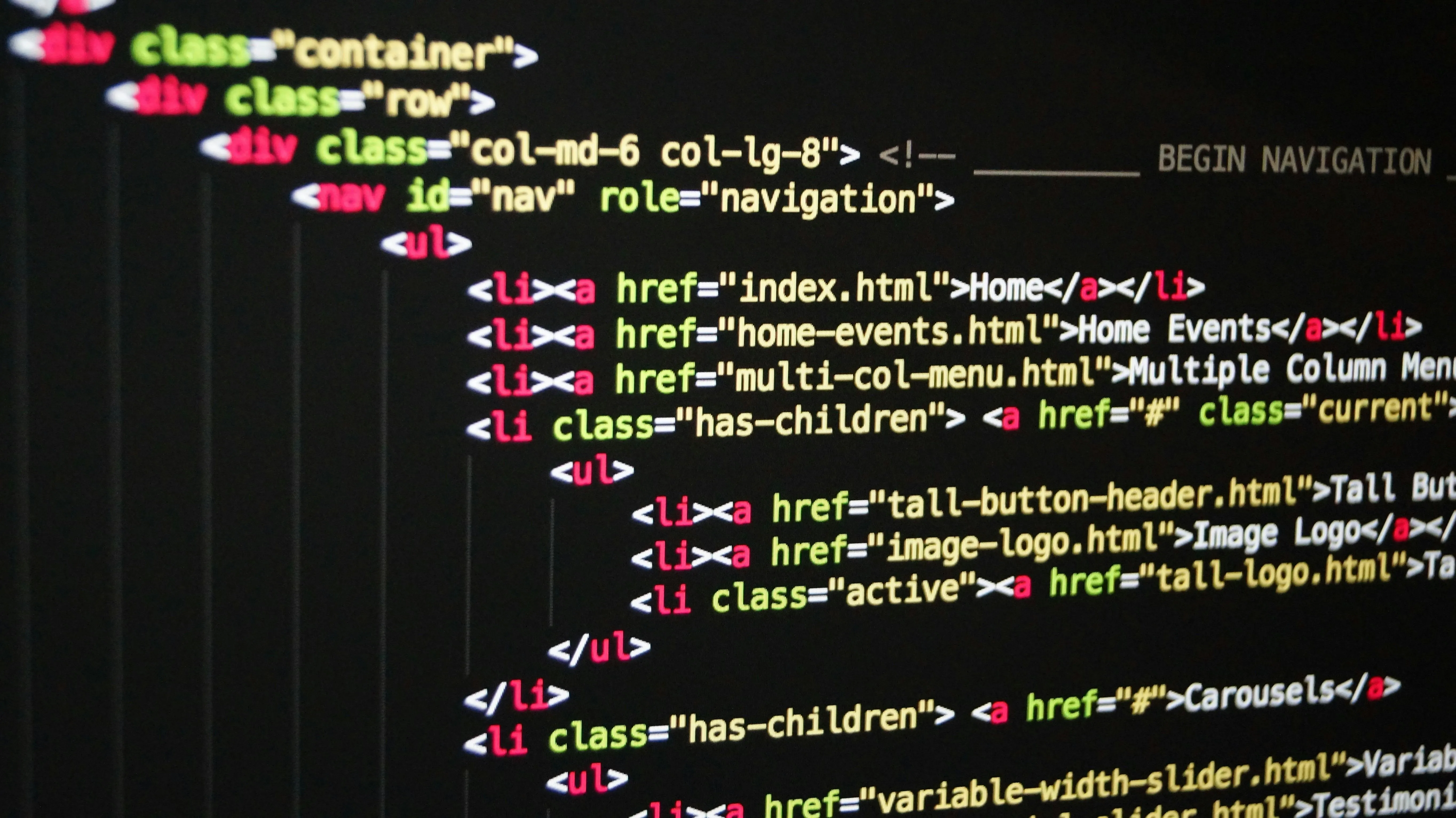 HTML is used together with CSS for designing and JavaScript for interactivity. CSS makes the site nice, while JavaScript brings in other functions, like animation or dynamic forms. Together, they make the HTML shell come alive.
4. It Improves Accessibility and SEO
Well-organized HTML guarantees that websites are easily accessible to all individuals including those with disabilities. Adding alt text to images is helpful for example, screen readers can describe the image to the visually impaired user. Also, search engines use the HTML structure to crawl and index web pages and therefore cannot be overlooked in the optimization process.
5. It Guarantees the Compatibility Everywhere
HTML is compatible with all browsers and ensures that the user has the same experience regardless of the browser used, be it Chrome, Safari, Firefox, or any other. HTML guarantees that the content is displayed correctly regardless of the platform.
How HTML Combines with Other Technologies
HTML on its own creates static pages, but its true potential is unlocked when combined with other technologies:
CSS: Enhances design and styling, incorporating elements like colors, fonts, and layouts.
JavaScript: Adds interactivity, enabling features such as dropdown menus or interactive maps.
Server-Side Languages: Languages like PHP or Python allow for the generation of dynamic content and support complex functionalities, including login systems or user dashboards.
When these technologies work together, they form the engaging, dynamic websites we interact with every day.
The Bottom Line
HTML is not just a technical tool; it serves as the backbone of the online world. By structuring content, linking resources, and integrating smoothly with other technologies, it powers the websites we depend on daily. Whether you’re a casual internet user or an aspiring developer, grasping HTML helps you appreciate the magic that drives the web.