
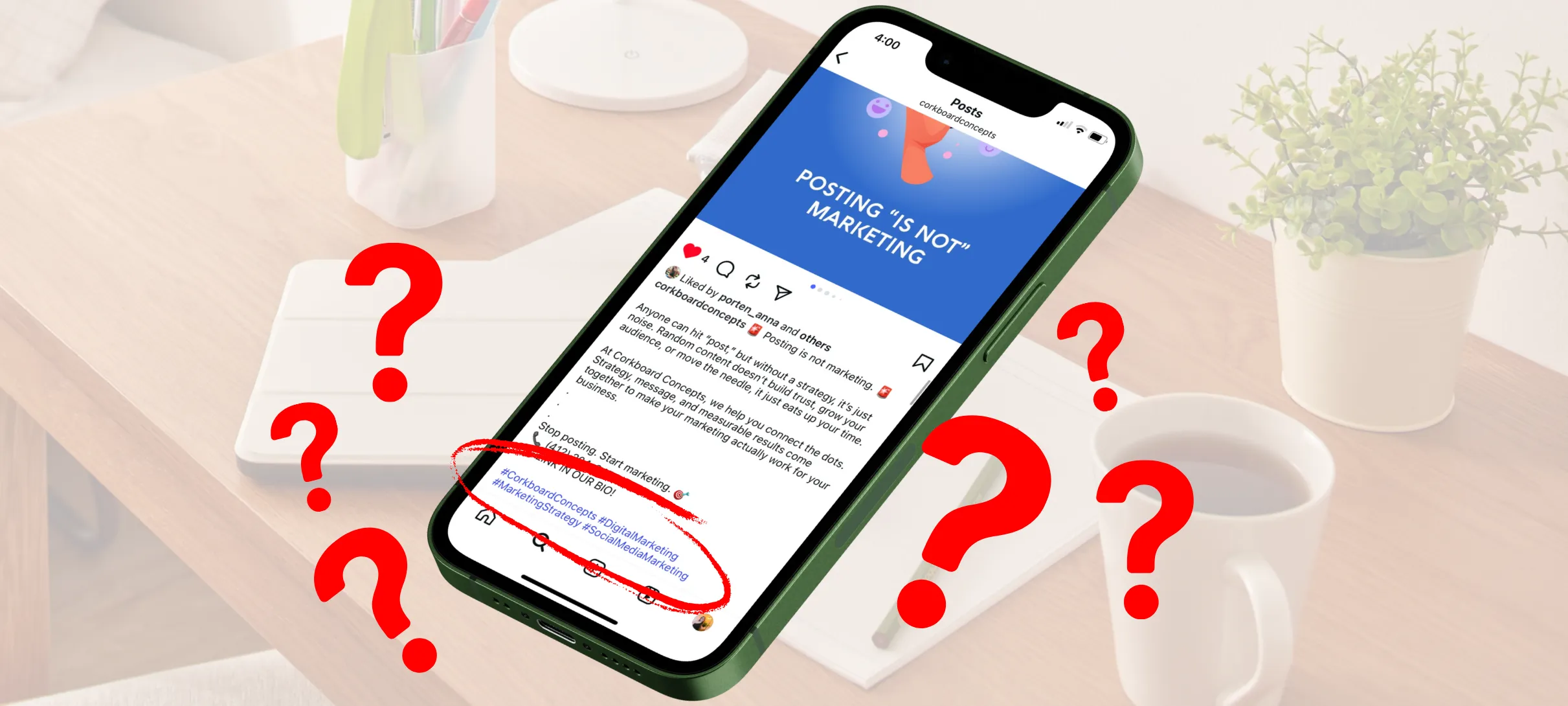
A lot of marketers still preach “hashtag strategy” like it’s a secret growth hack. But things have started to change. Even the Head of Instagram, Adam Mosseri, has weighed in on this question. So are hashtags still relevant or should you completely ignore them?
In this article, we’ll break down what’s true, what’s outdated, and a fresh strategy we’re currently seeing working with clients and in the influencer marketing world.
What Mosseri Actually Said (and Why It Shakes Up the Hashtag Myth)
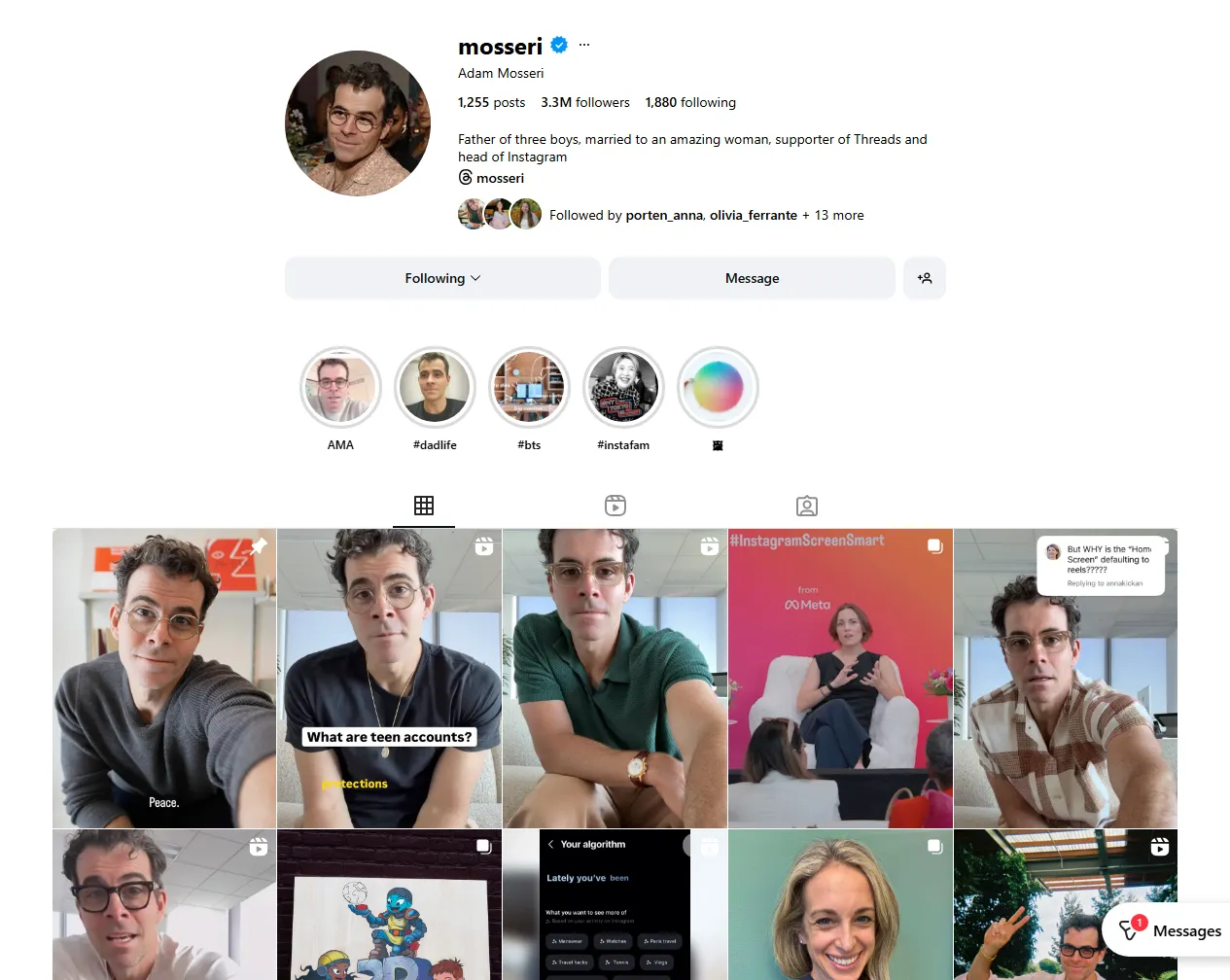
In a recent Q&A video, Mosseri answered the age-old question: Do hashtags help with reach? His response: not really.
According to Adam Mosseri, “They do help us understand what a post is about … but in general, no, I wouldn’t try to think of hashtags as a way to get more distribution.”
Hashtags can still help Instagram understand what your content is about, but they don’t significantly boost your reach the way it used to years ago. So are hashtags completely dead?
In Mosseri’s words, hashtags are more of a categorization tool than a growth hack. That means if your content isn’t already engaging or resonating, hashtags won’t be the thing that takes it viral.
Why the Old Hashtag Strategy Doesn’t Work the Way It Used To
Algorithm evolution
Instagram now prioritizes engagement, original content, watch-time, saves, shares. Hashtags are just one small signal among many.
Oversaturation & limited discovery
When everyone uses #marketing or #travel, your post gets buried in millions. Hashtags don’t reliably push your content above that noise.
Search behavior & platform changes
Instagram removed or limited certain “recent posts” hashtag search features for many users, reducing the visibility that hashtags could independently give.
Correlation vs. causation
Some posts do well with hashtags, but oftentimes that’s because the content is strong, timely, and engaging. The good content drives both engagement and hashtag usage.
A Strategy That’s Working: Keywords in the Caption Instead of Hashtags
As a digital marketing agency, we tend to do lots of research on social media as well as work alongside influencers. We’ve started to see especially with influencers a new strategy.
Many influencers like Pittsburgh creator, Alaina Wodarek , have been using a different approach in their recent content.
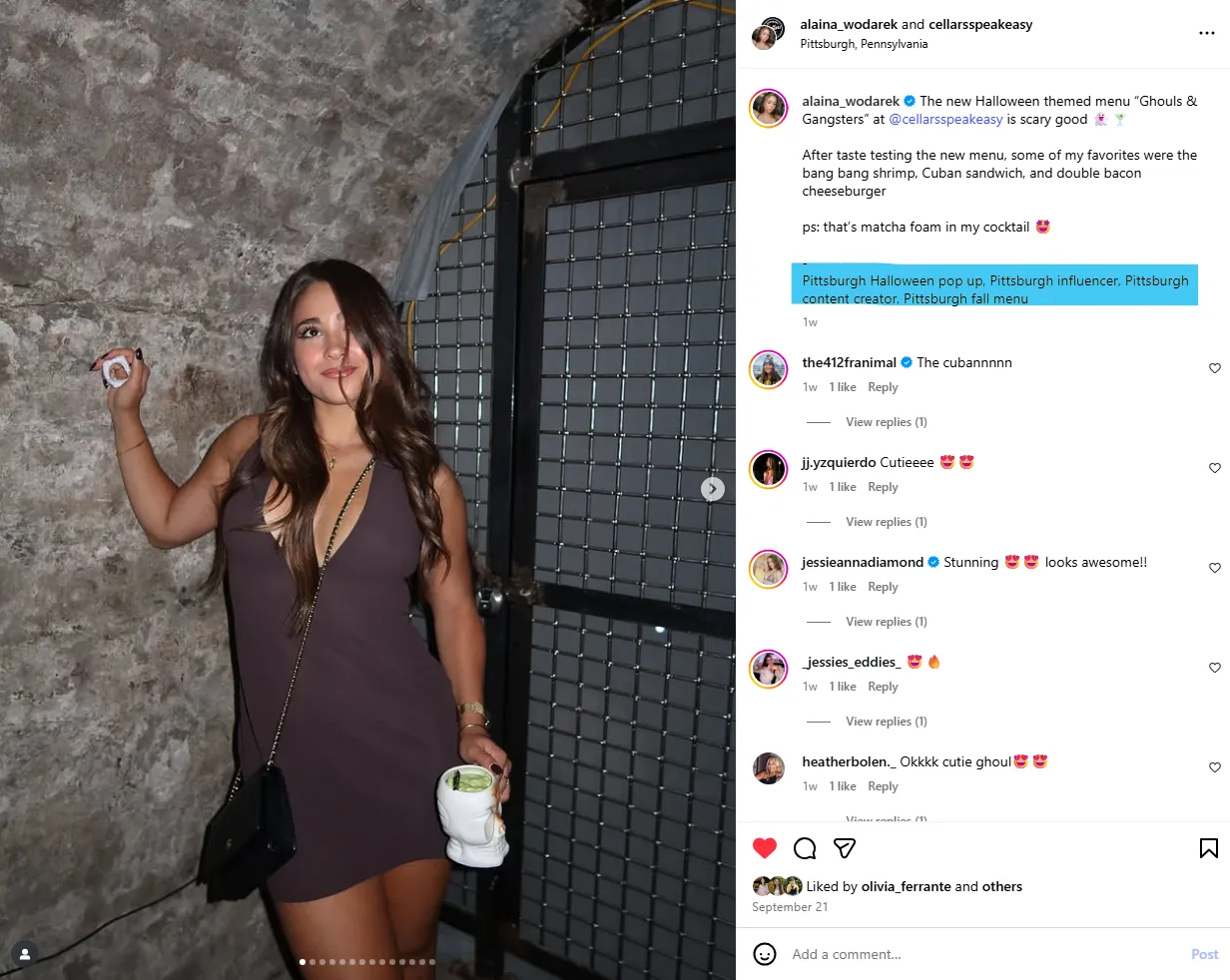
Instead of stacking 10–30 hashtags at the bottom, they weave keyword phrases into the caption naturally. Especially as Instagram is now able to pop on Google’s search engine, it’s more important than ever to understand the importance of SEO, or search engine optimization.
Example: instead of writing
#food #foodie #PittsburghBites
they’d write:
Foodie | Best Restaurants in Pittsburgh | Pittsburgh Bites
Foodie, Best Restaurants in Pittsburgh, Pittsburgh Bites
These phrases act like mini “tags” without feeling forced or spammy. They match what users might type in Instagram search or expect as context. As the Instagram algorithm searches for more authentic, keyword-driven content, having an SEO social strategy has become incredibly important.
Why Keyword Strategy Works:
The algorithm is paying more attention to what the caption says (keywords, context, narrative) than just raw hashtag dumps.
Social media users have been wanting more authentic content, and so it makes sense that hashtags can come of spammy and less natural. It primes Instagram’s “search & discovery” layers (when someone types or searches for “Best Restaurants in Pittsburgh,” your post is more likely to match).
It reduces the risk of hashtag overuse penalties and won’t look like you’re “gaming” the system.
Best Practices for 2025 Hashtag / Keyword Use
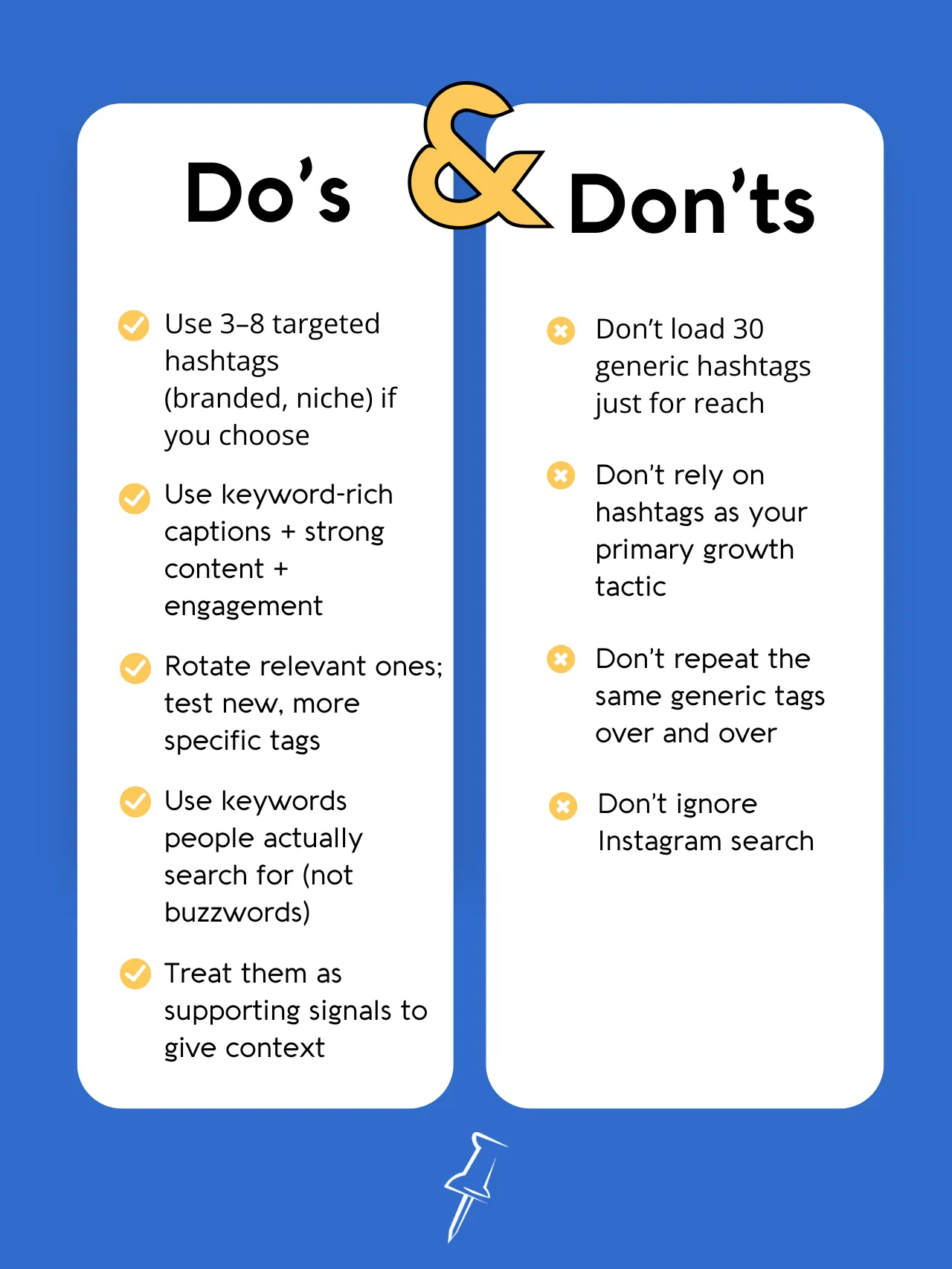
Example Before & After
Before (old style):
“Here’s my top lunch spot in Pitt today!
#foodie #PittsburghEats #bestfood #yum #foodstagram …”
After (hybrid style):
“Lunch cravings satisfied at Main Street Bistro!
Main Street Bistro | Pittsburgh Eats | Foodie Alert”
In the second version, the first line gives meaning, context, and searchable phrases. The hashtags support it, not dominate it.
Things to Watch & Test
- Monitor reach with vs. without heavy hashtags
- Track how much traffic comes from Instagram search
- Test which keyword phrases in caption draw more “Search Views”
- Use branded hashtags to encourage community tagging and UGC
- Always prioritize content quality, storytelling, and engagement first; hashtag strategy is secondary
End Note
Hashtags aren’t dead, but they aren’t what they used to be. They’re now tools for clarity, not for reach.
Moving into 2026, strategy should lean into keyword-rich captions, purpose-driven content, and building engagement first and you should coordinate with paid social ads strategies.
If you’d like, Corkboard Concepts can help you build a hashtag/keyword roadmap for you so this transition is smooth. Contact us when you’re ready to transform your organic social.